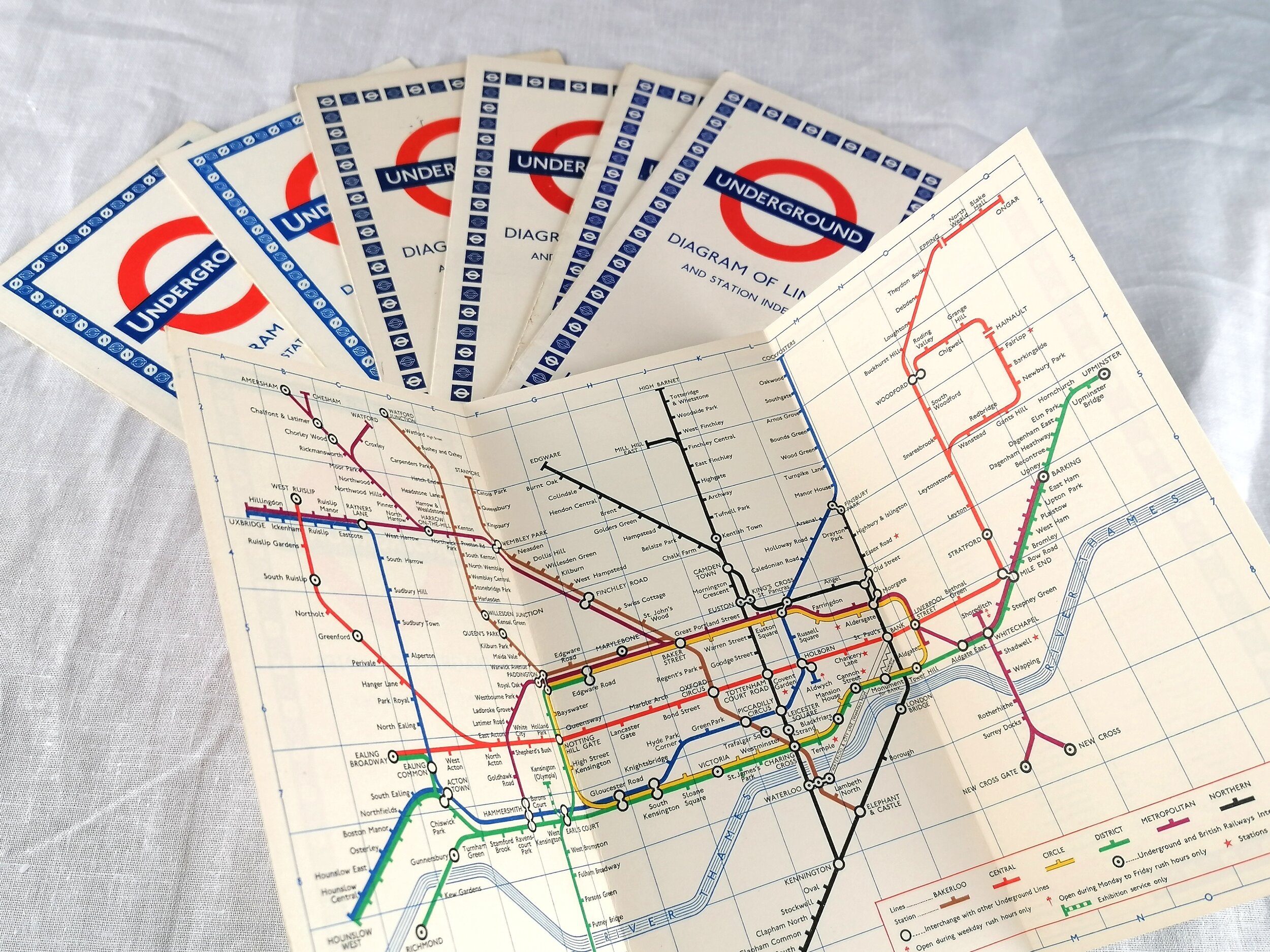
Map of London's Underground Railways
A new design for an old map. We should welcome your comments. please write to PUBLICITY MANAGER, 55 BROADWAY, WESTMINSTER, S.W.1
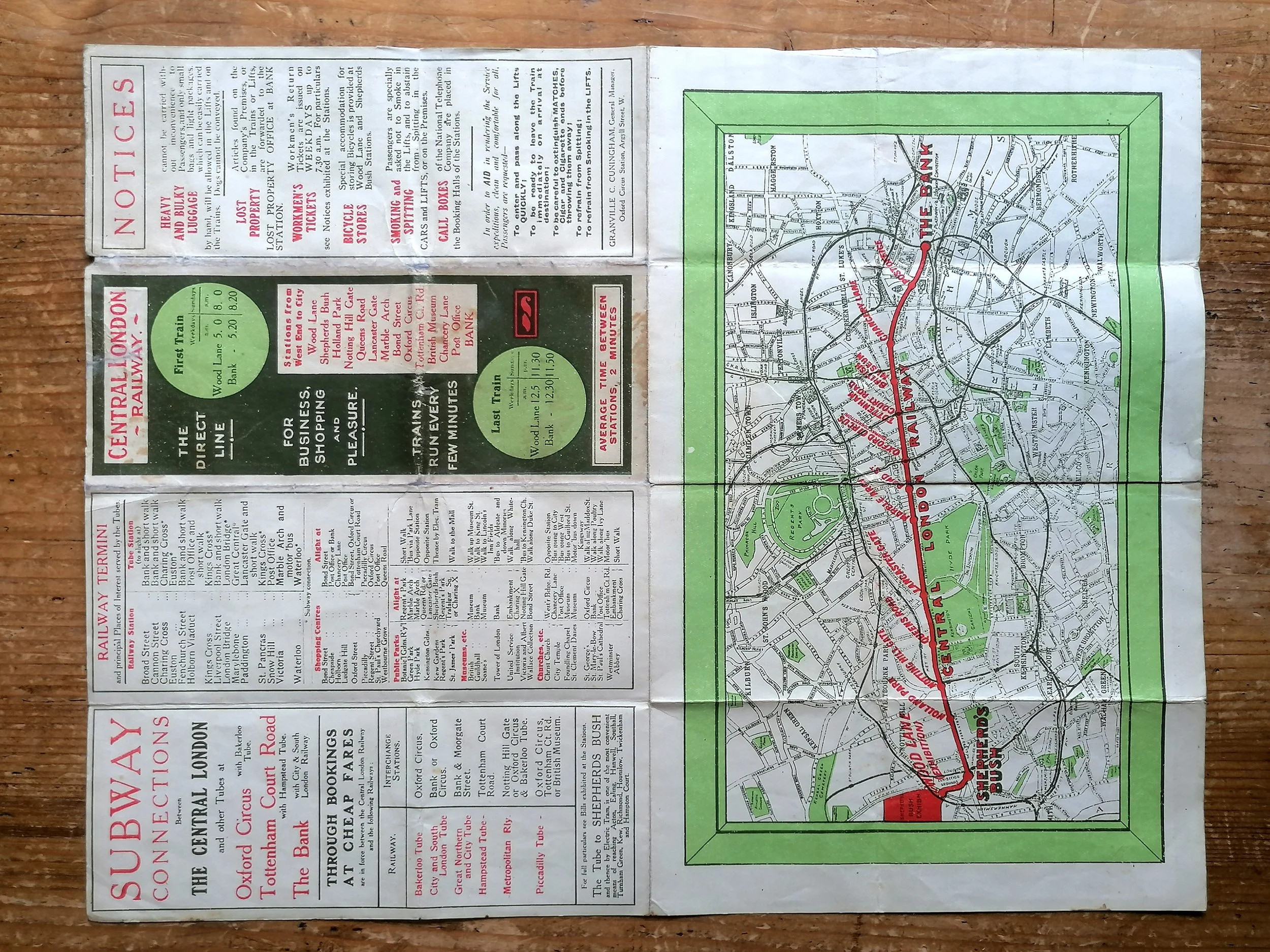
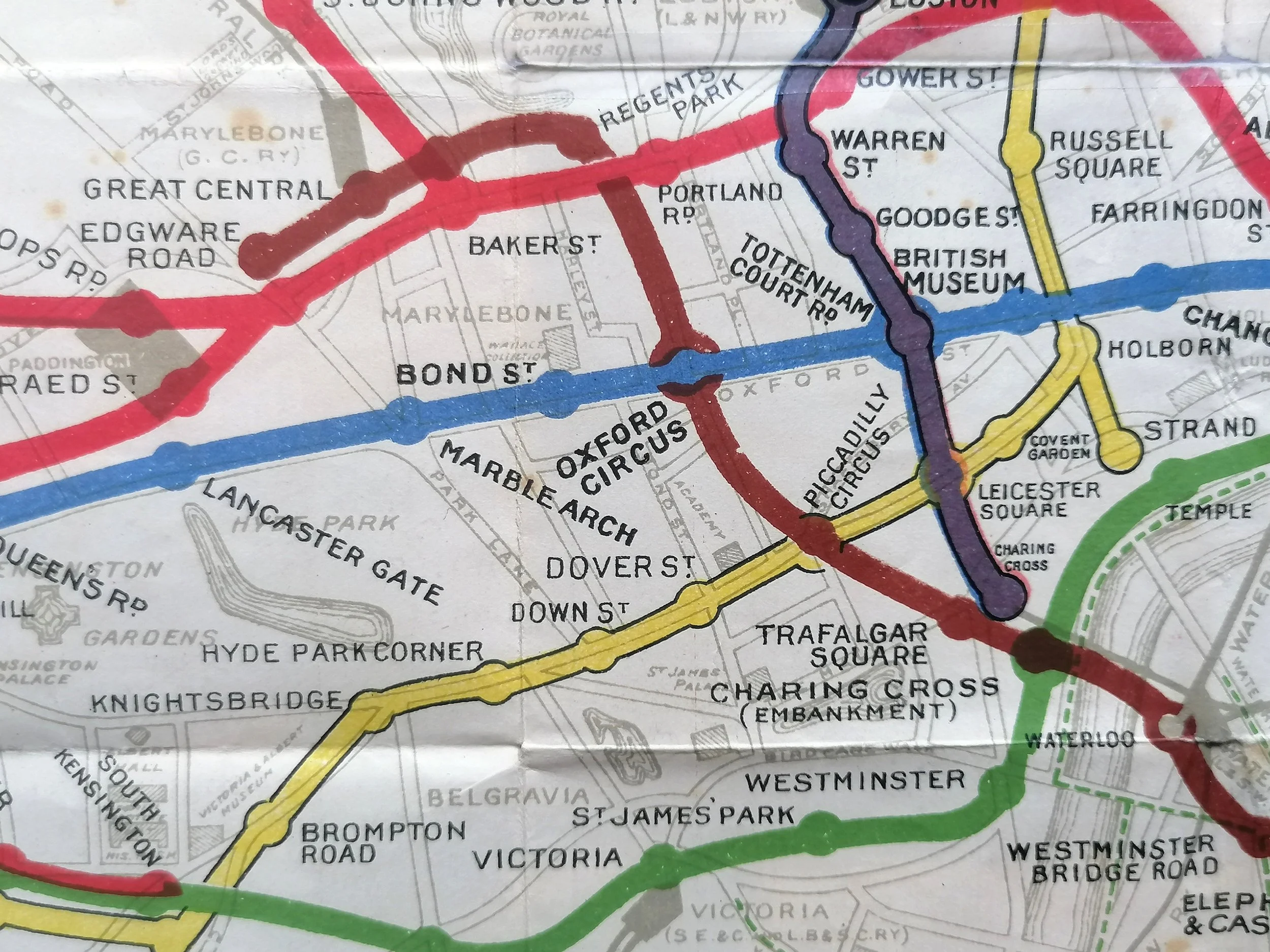
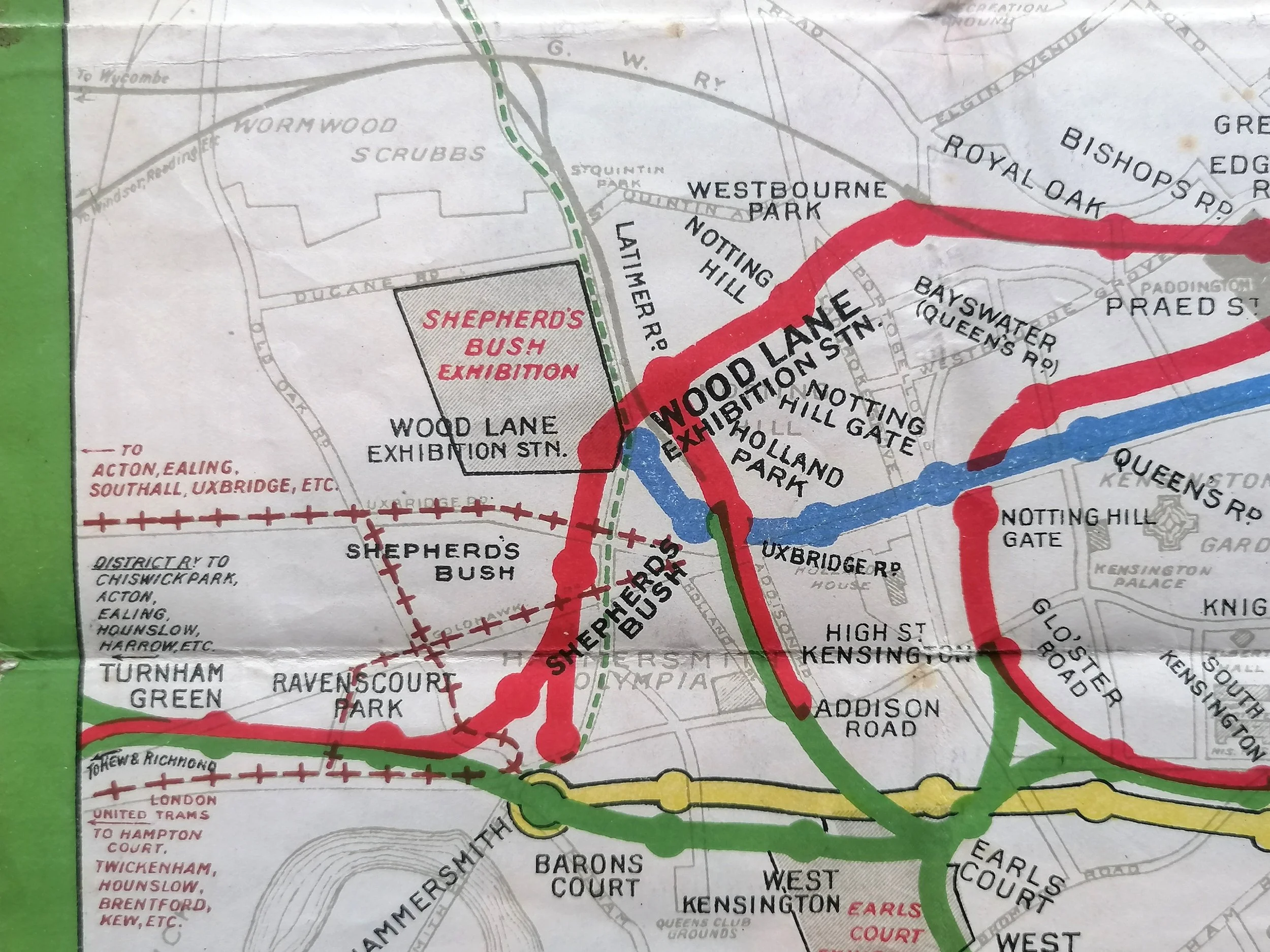
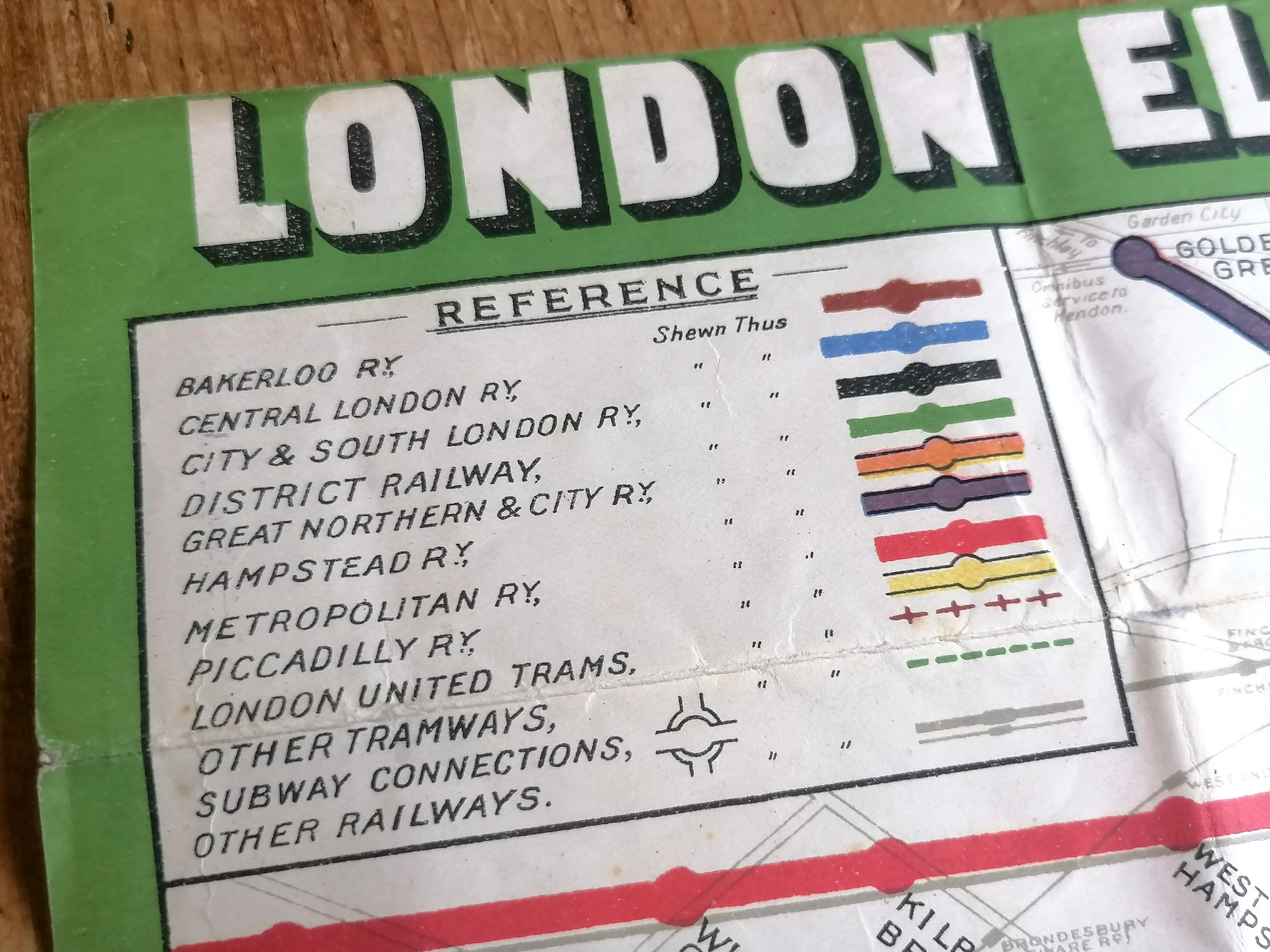
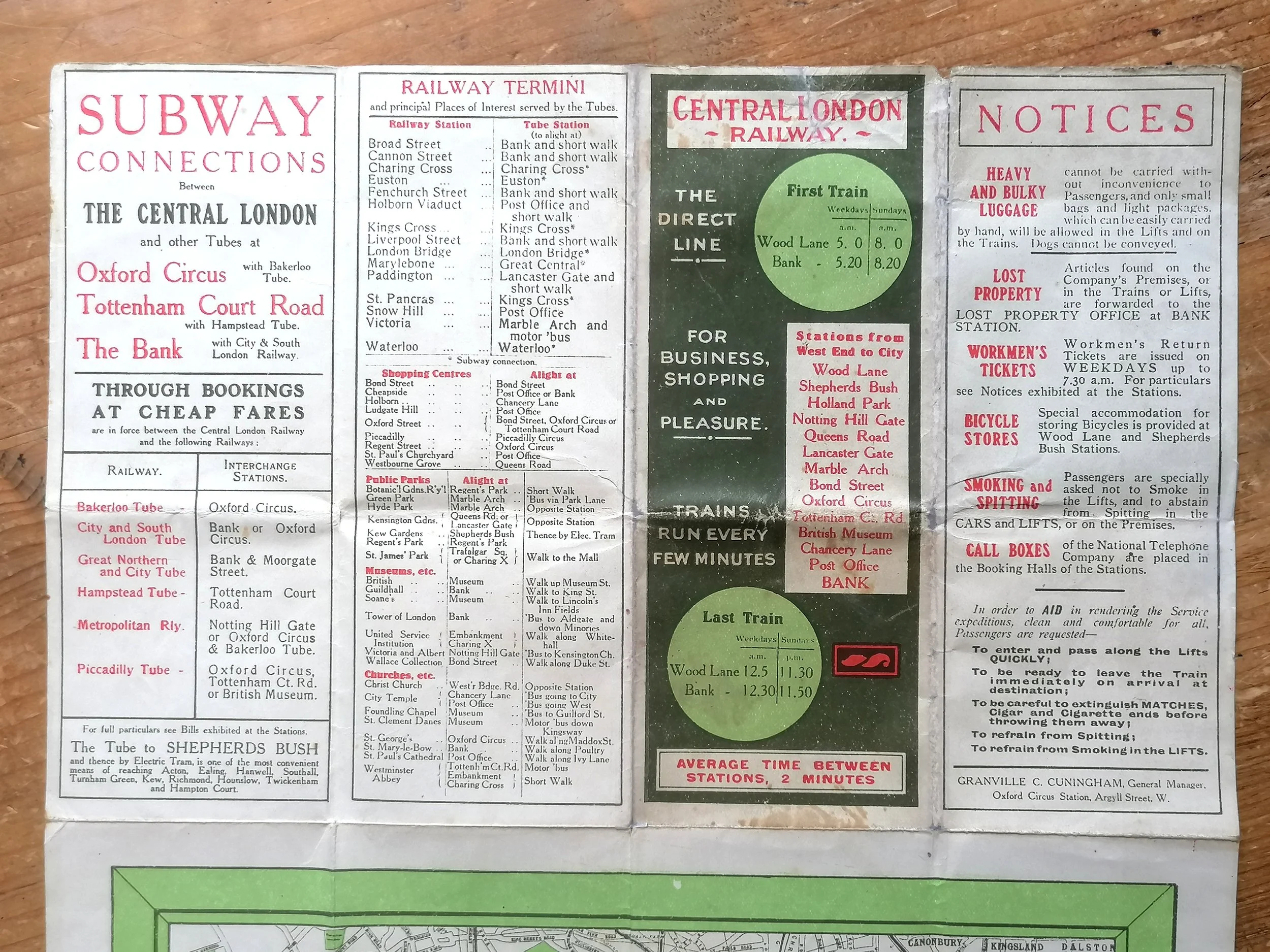
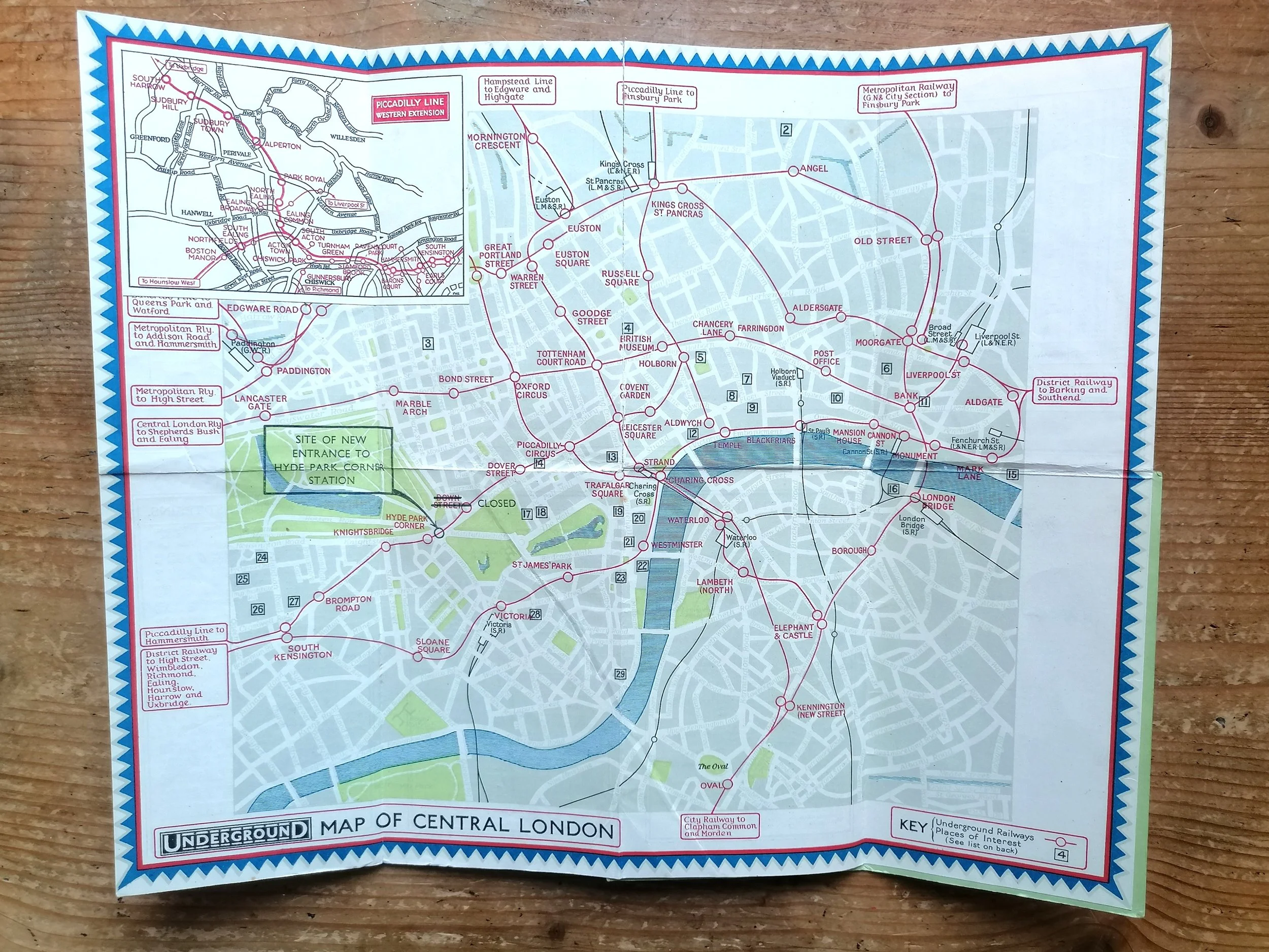
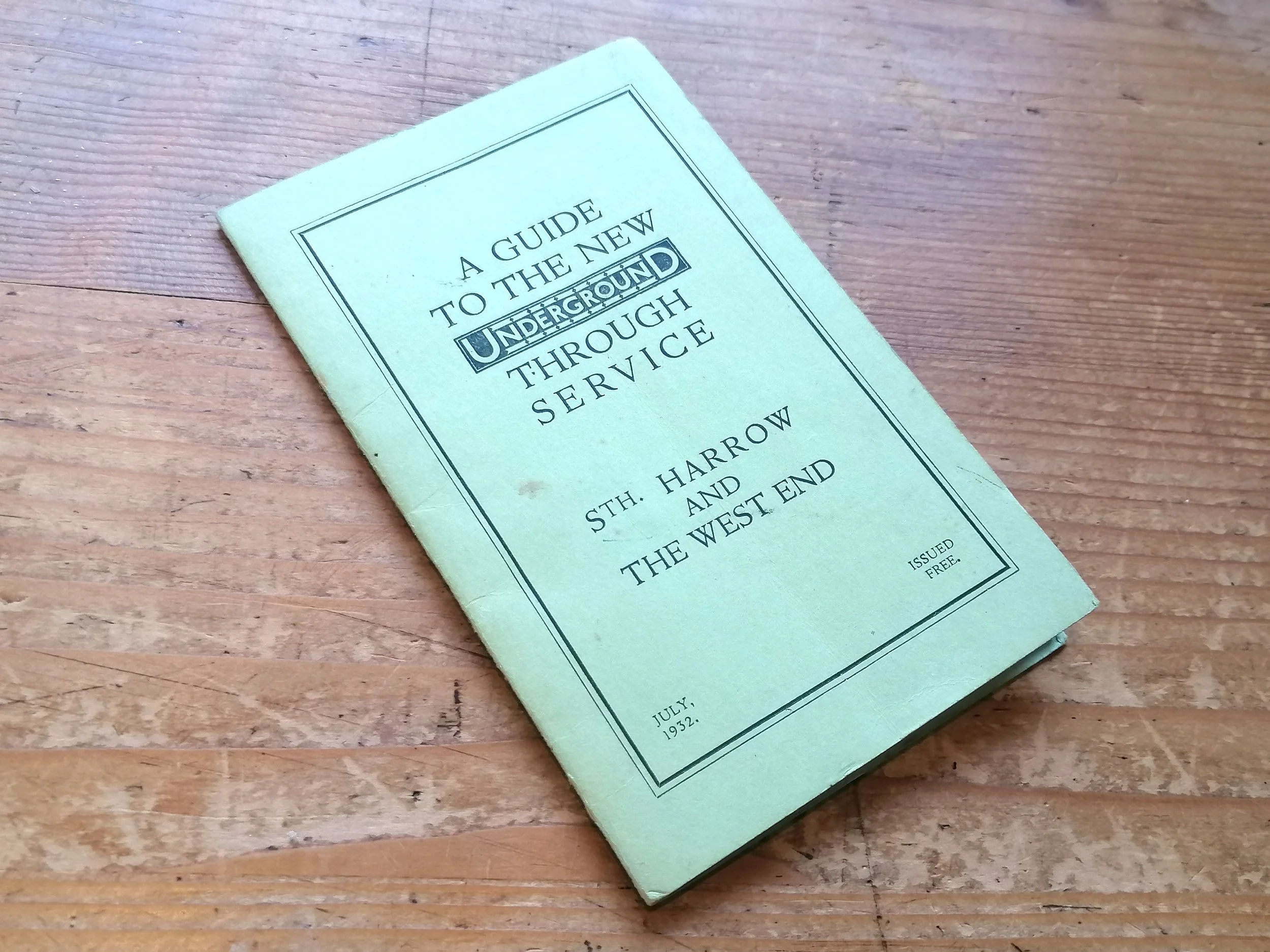
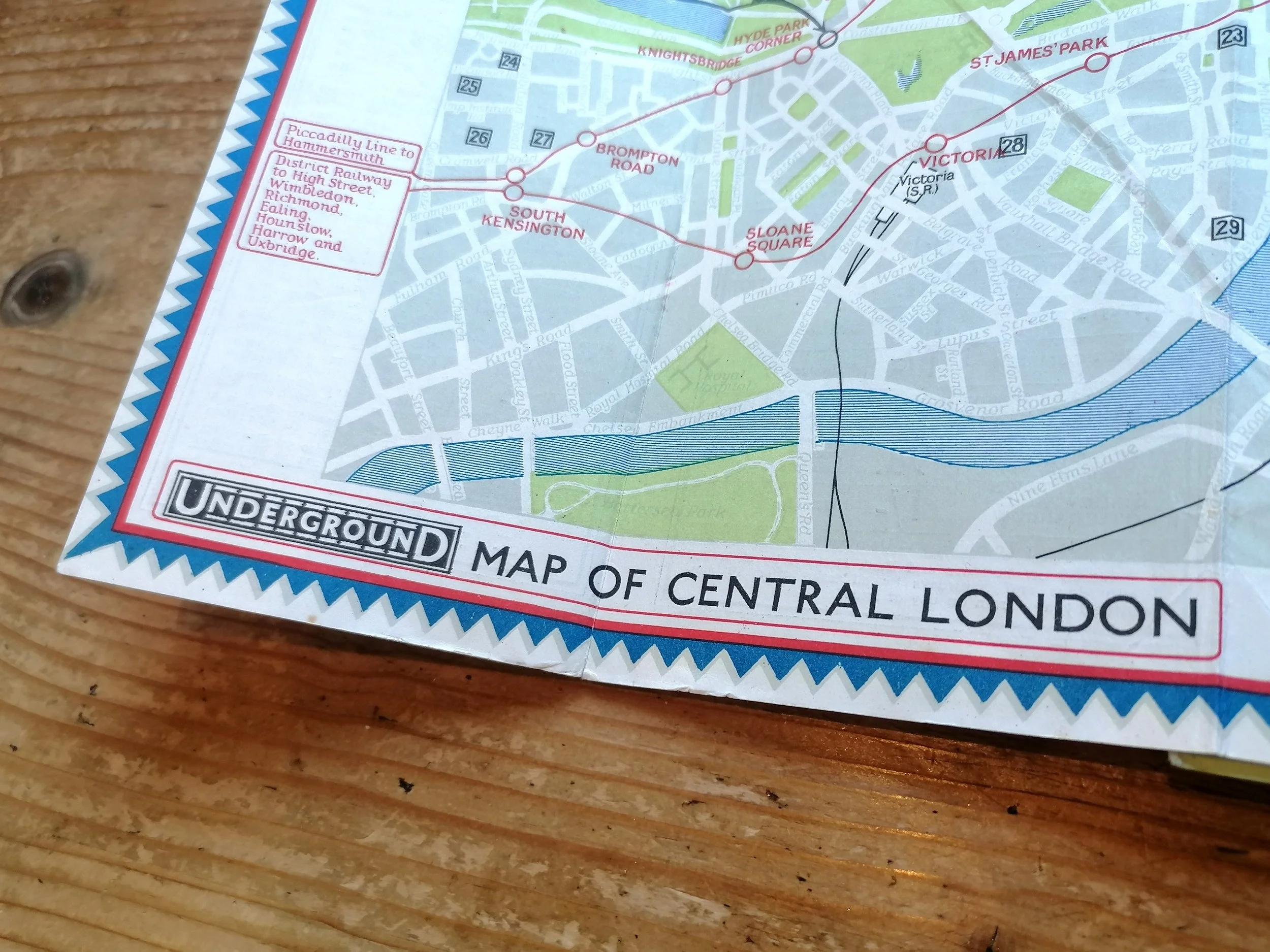
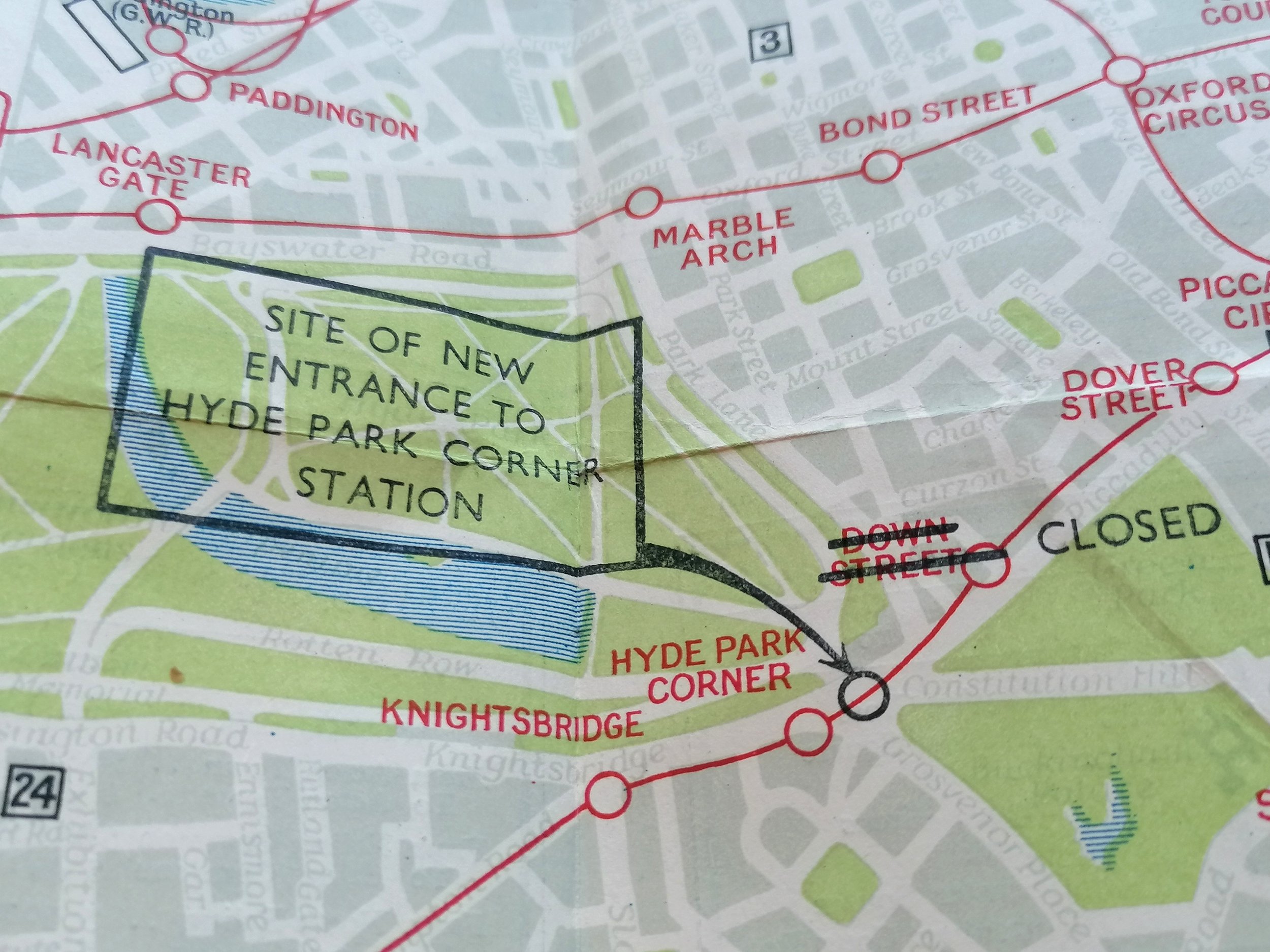
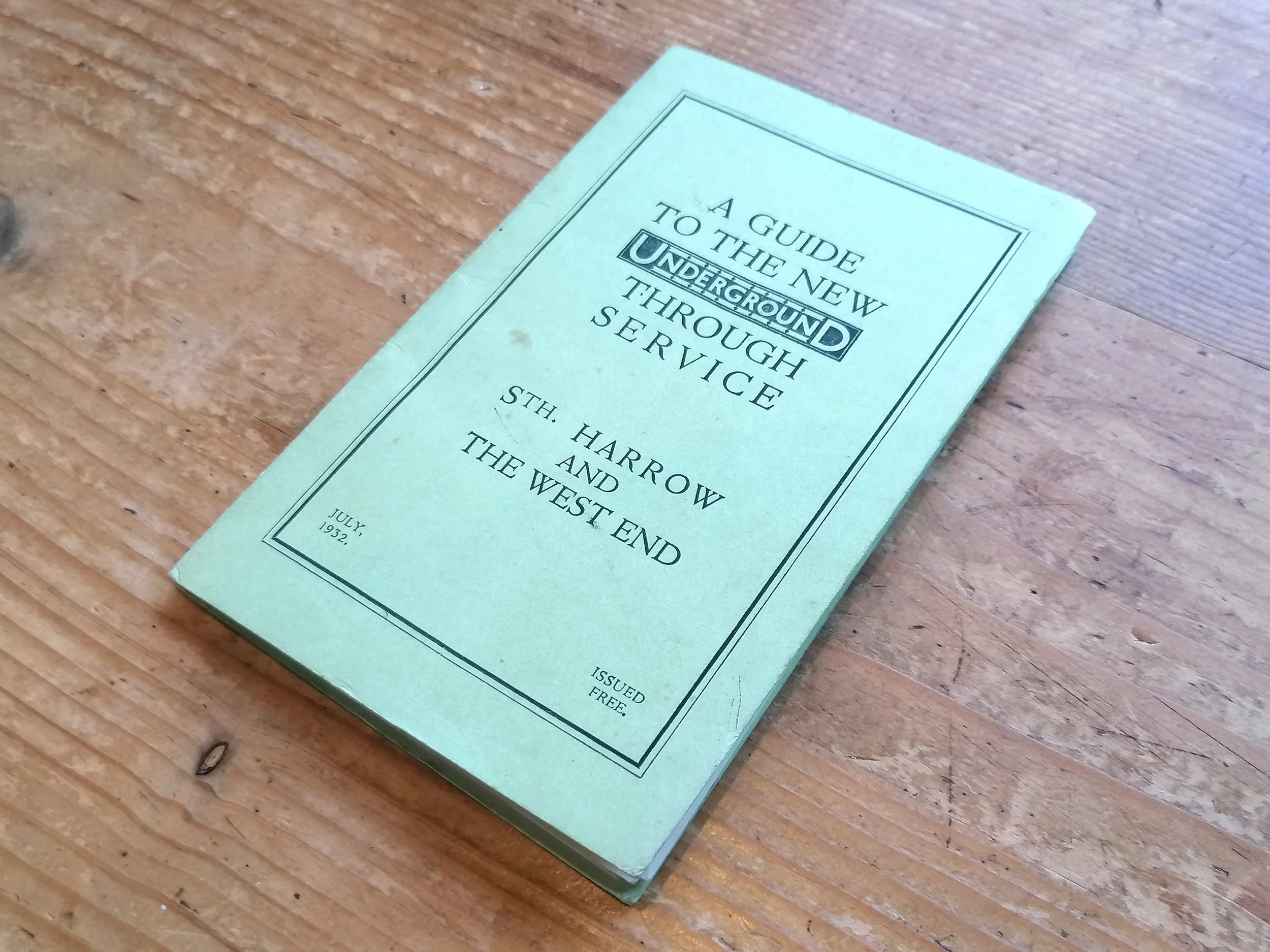
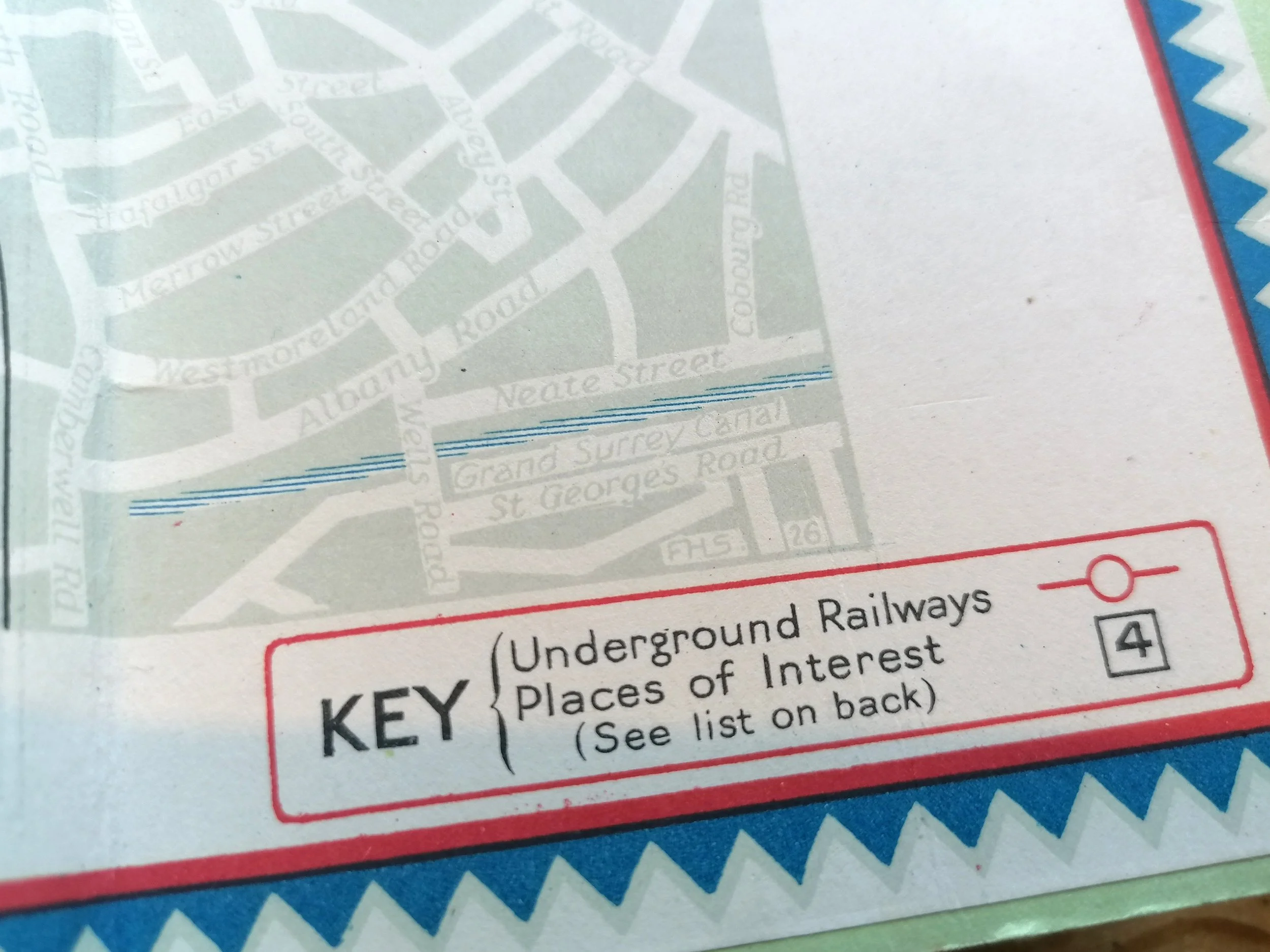
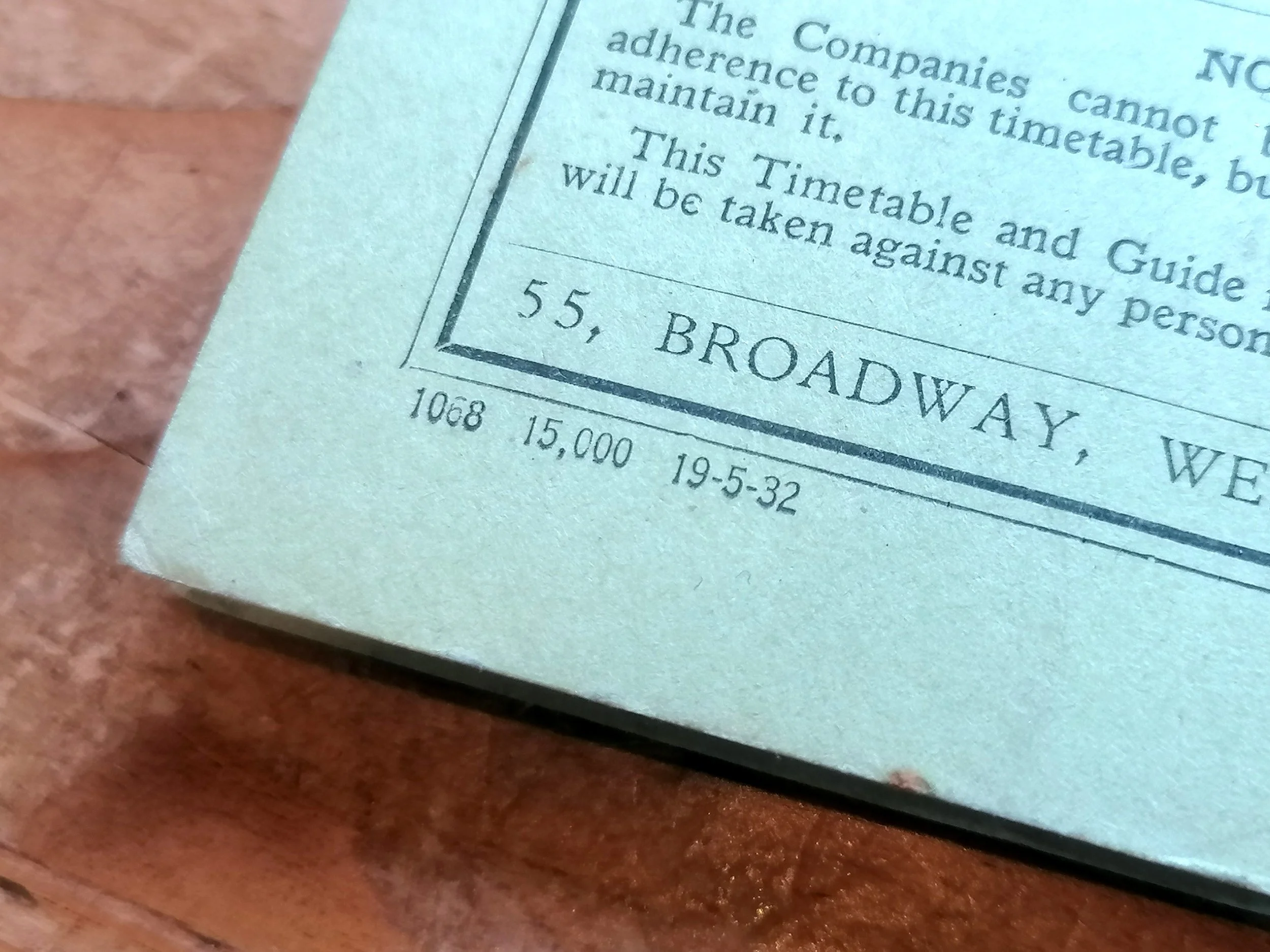
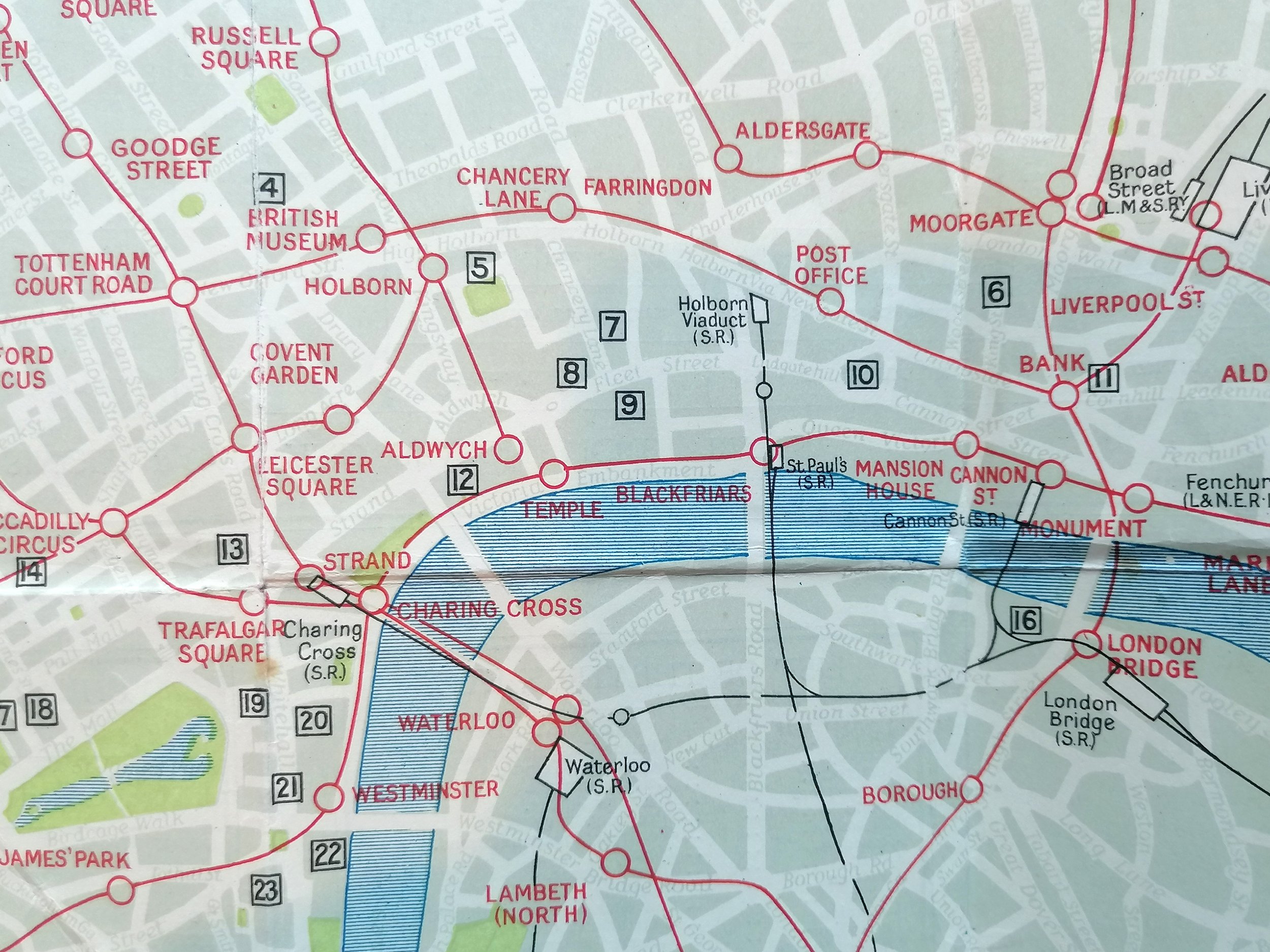
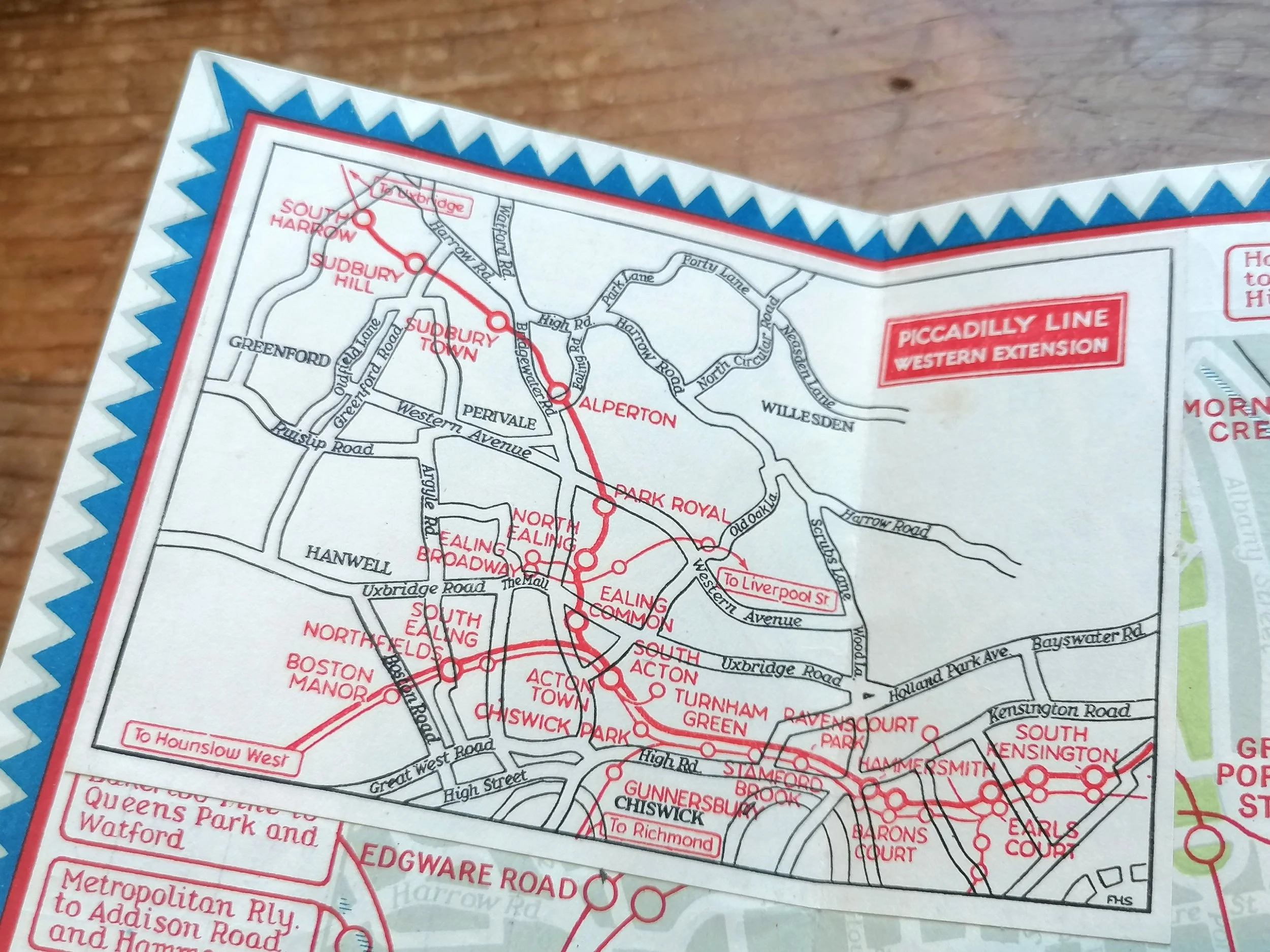
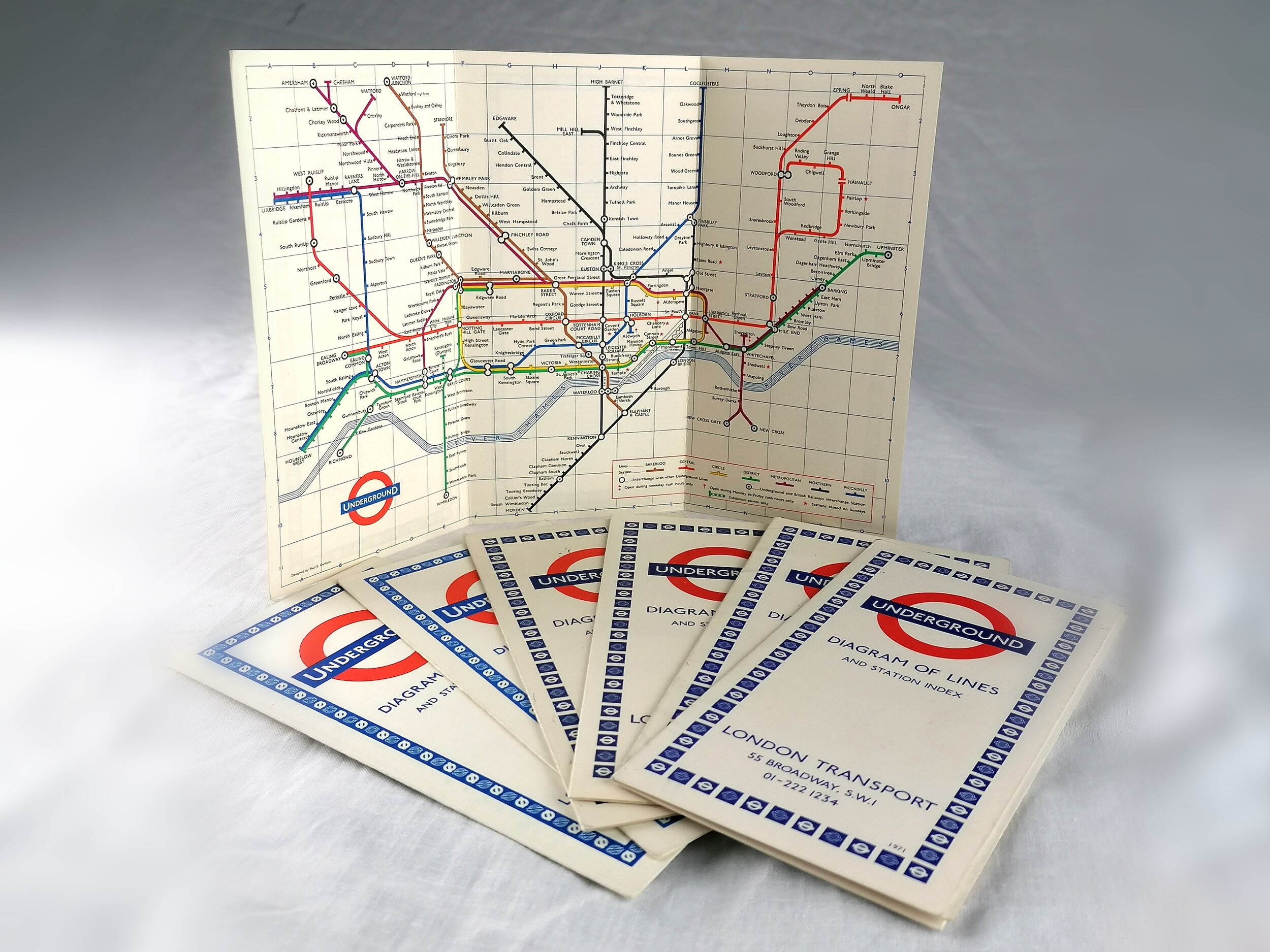
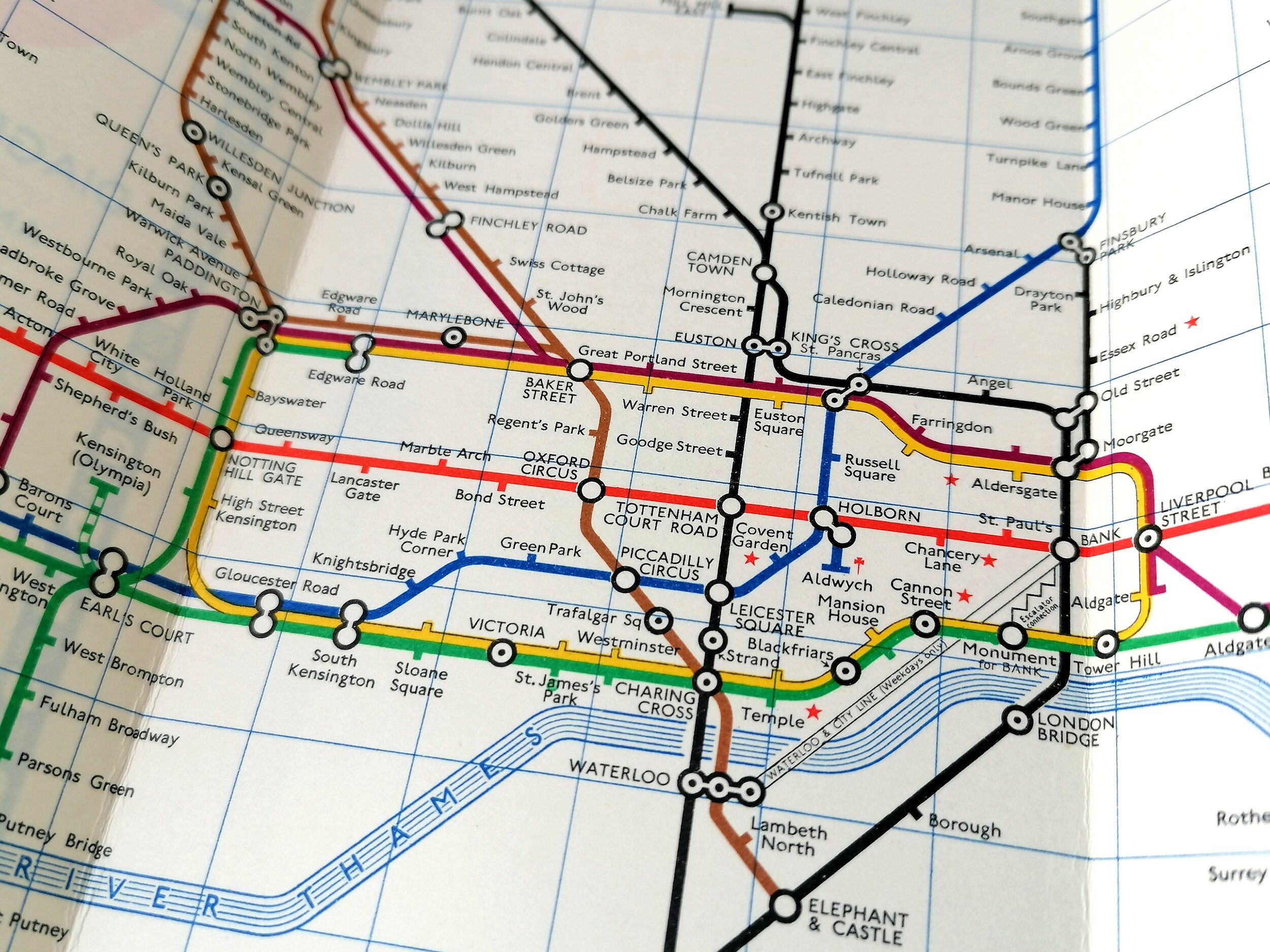
Designed by Henry ‘Harry’ Charles Beck (1902-1974). Printed by Waterlow & Sons for London Underground Group. Colour lithograph on card. Folded twice as issued. First edition: Print Code 750M-1-33. Measures 22.7cm x 15.9cm. Condition: A superb fine example. Some signs of light handling and a few minor marks. Please inspect the photographs carefully, they form part of the condition report.
“A new design for an old map. We should welcome your comments” reads the cover of this trial print of Harry Beck's Underground map, issued in January 1933. A humble note for one of the most innovative and successful designs of all time.
Having initially rejected the design when Harry Beck first presented it to them in 1931, the Underground Group's Publicity Department were clearly apprehensive as to the public reaction to the revolutionary map design. They needn't have worried, the map was an instant success. As Ken Garland put it “Above any consideration of the Diagram as a navigation aid was the optimistic vision it offered of a city that was not chaotic, in spite of appearances to the contrary, that knew what it was about and wanted its visitors to know it too. Its bright, clean and colourful design exuded confidence in every line. Get the hang of this, it said, and the great metropolis is your oyster”
Beck, a 29 year old temporarily employed draughtsman, saw what others failed to see - that passengers simply need to know the sequence of stations and where to change. Beck abandoned geographical accuracy for schematic rules similar to those of electric diagrams. Beck's map has stood the test of time (and significant expansion) and has profoundly changed the relationship between passenger and city. For this transformational design that would change transport mapping across the world, Beck was paid 10 guineas - a weeks wages.
Over the course of the next 27 years, Beck’s sense of propriety over the map and obsessive reworkings inevitably lead to clashes with the Publicity Office until they eventually parted company in 1959.
Map of London's Underground Railways
A new design for an old map. We should welcome your comments. please write to PUBLICITY MANAGER, 55 BROADWAY, WESTMINSTER, S.W.1
Designed by Henry ‘Harry’ Charles Beck (1902-1974). Printed by Waterlow & Sons for London Underground Group. Colour lithograph on card. Folded twice as issued. First edition: Print Code 750M-1-33. Measures 22.7cm x 15.9cm. Condition: A superb fine example. Some signs of light handling and a few minor marks. Please inspect the photographs carefully, they form part of the condition report.
“A new design for an old map. We should welcome your comments” reads the cover of this trial print of Harry Beck's Underground map, issued in January 1933. A humble note for one of the most innovative and successful designs of all time.
Having initially rejected the design when Harry Beck first presented it to them in 1931, the Underground Group's Publicity Department were clearly apprehensive as to the public reaction to the revolutionary map design. They needn't have worried, the map was an instant success. As Ken Garland put it “Above any consideration of the Diagram as a navigation aid was the optimistic vision it offered of a city that was not chaotic, in spite of appearances to the contrary, that knew what it was about and wanted its visitors to know it too. Its bright, clean and colourful design exuded confidence in every line. Get the hang of this, it said, and the great metropolis is your oyster”
Beck, a 29 year old temporarily employed draughtsman, saw what others failed to see - that passengers simply need to know the sequence of stations and where to change. Beck abandoned geographical accuracy for schematic rules similar to those of electric diagrams. Beck's map has stood the test of time (and significant expansion) and has profoundly changed the relationship between passenger and city. For this transformational design that would change transport mapping across the world, Beck was paid 10 guineas - a weeks wages.
Over the course of the next 27 years, Beck’s sense of propriety over the map and obsessive reworkings inevitably lead to clashes with the Publicity Office until they eventually parted company in 1959.

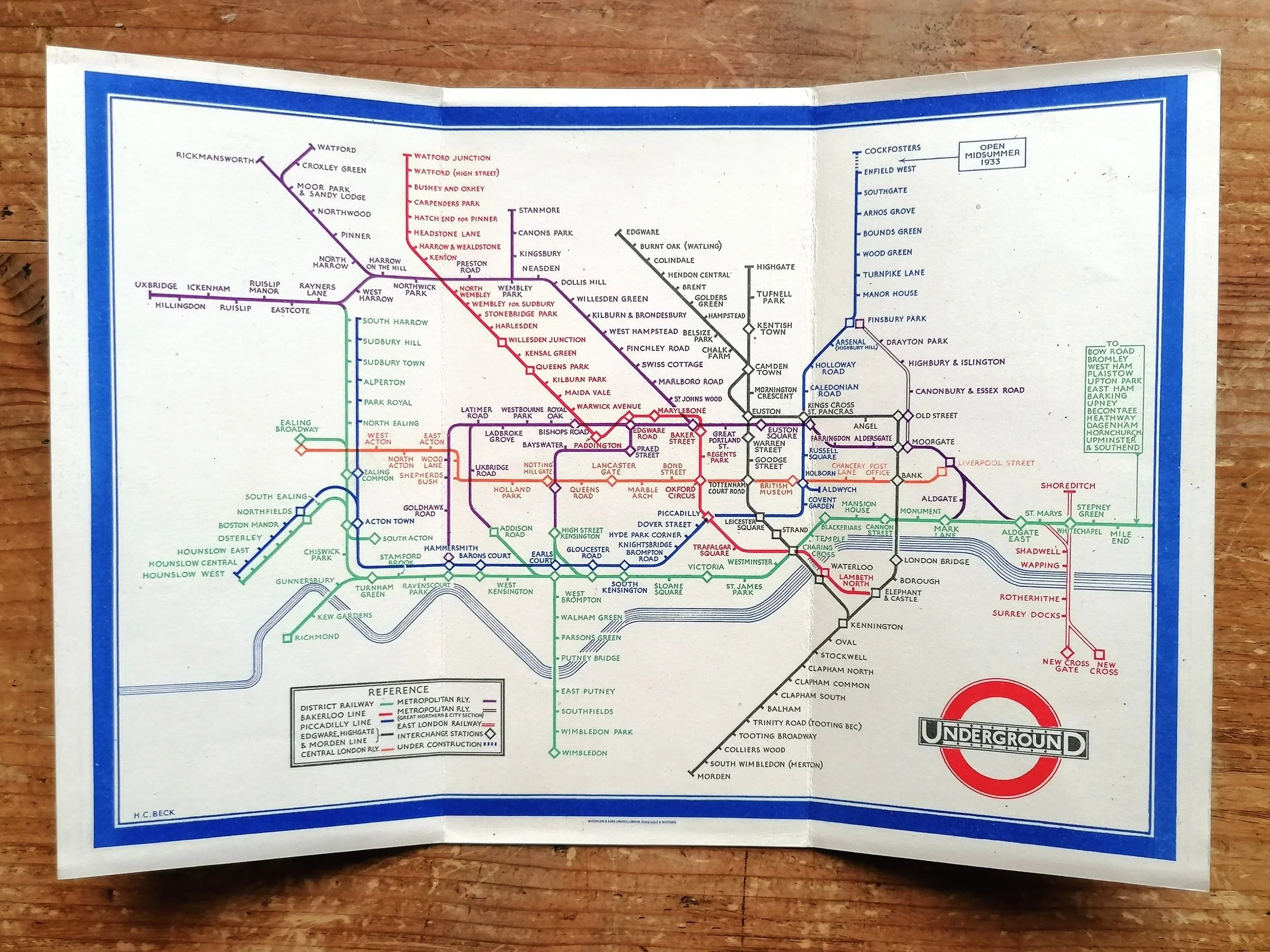 Image 1 of 14
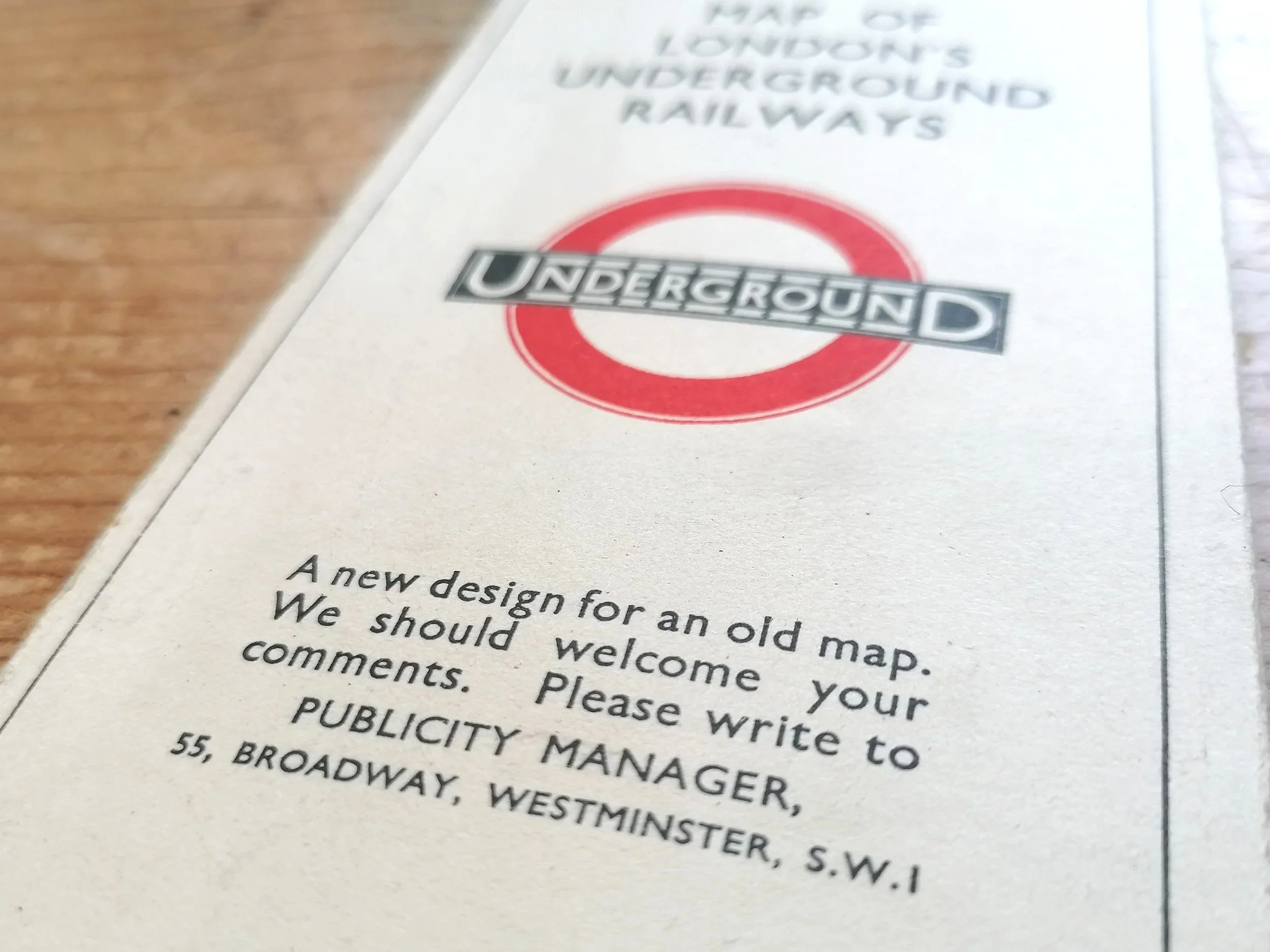 Image 2 of 14
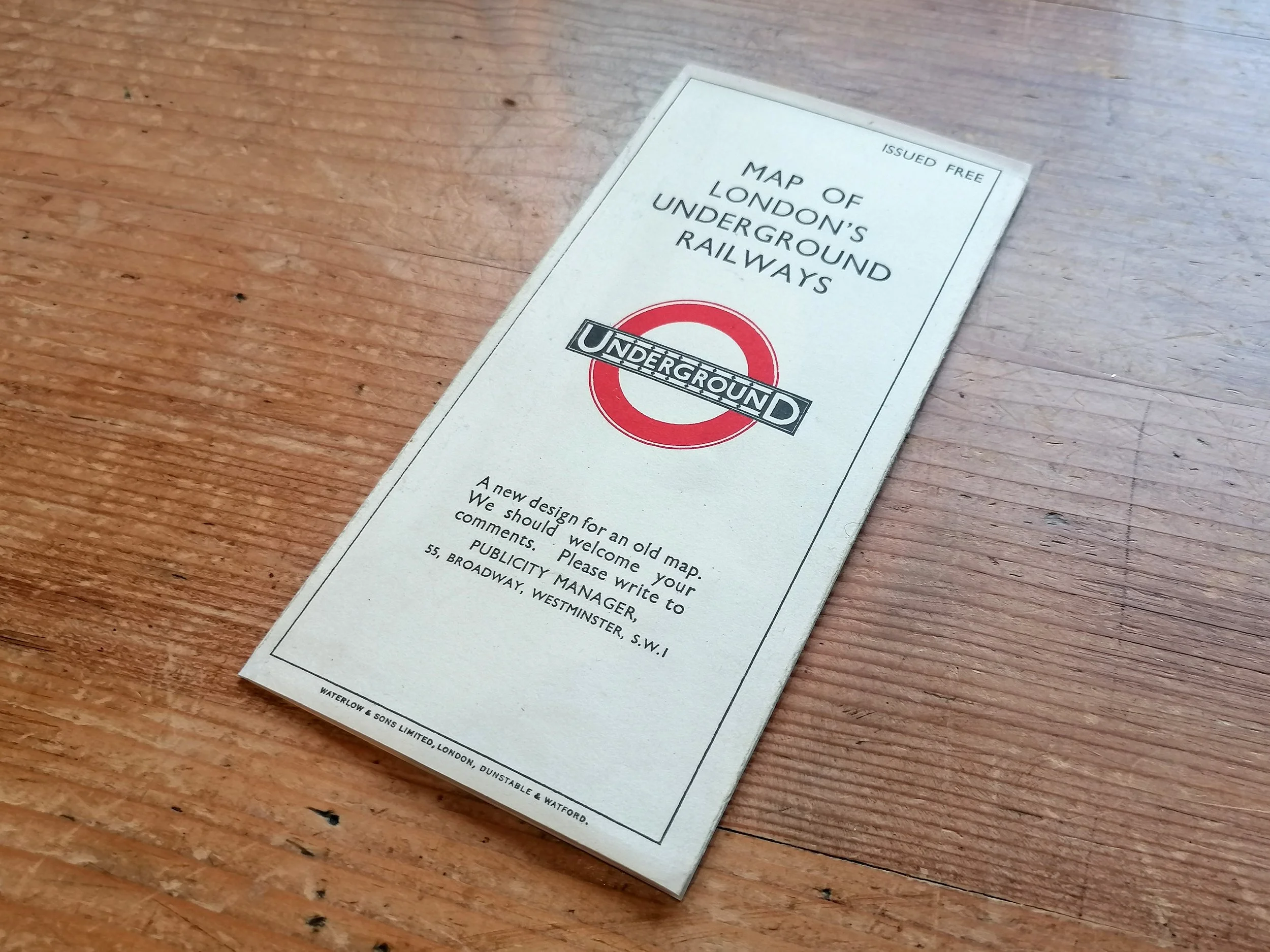 Image 3 of 14
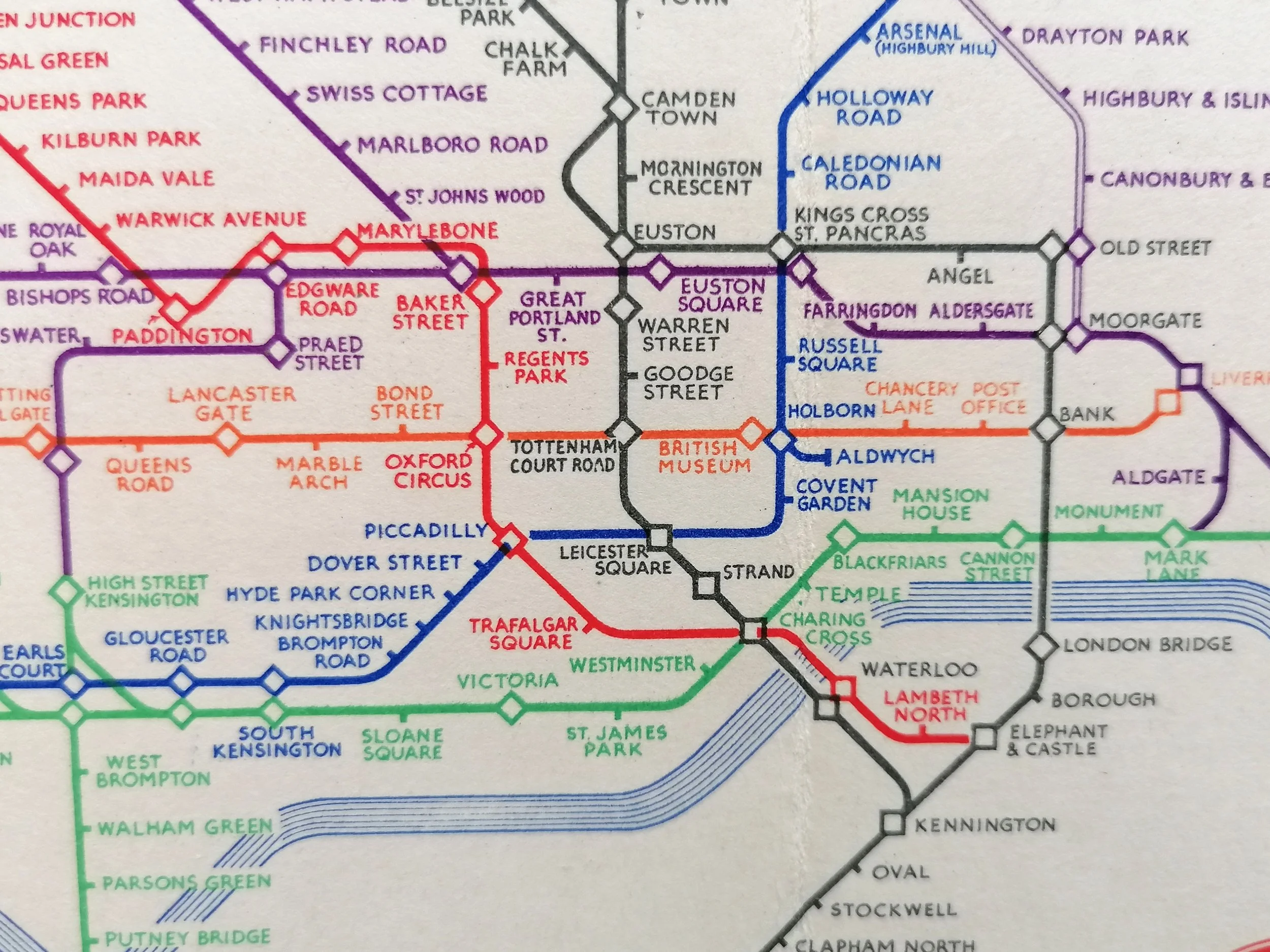 Image 4 of 14
 Image 5 of 14
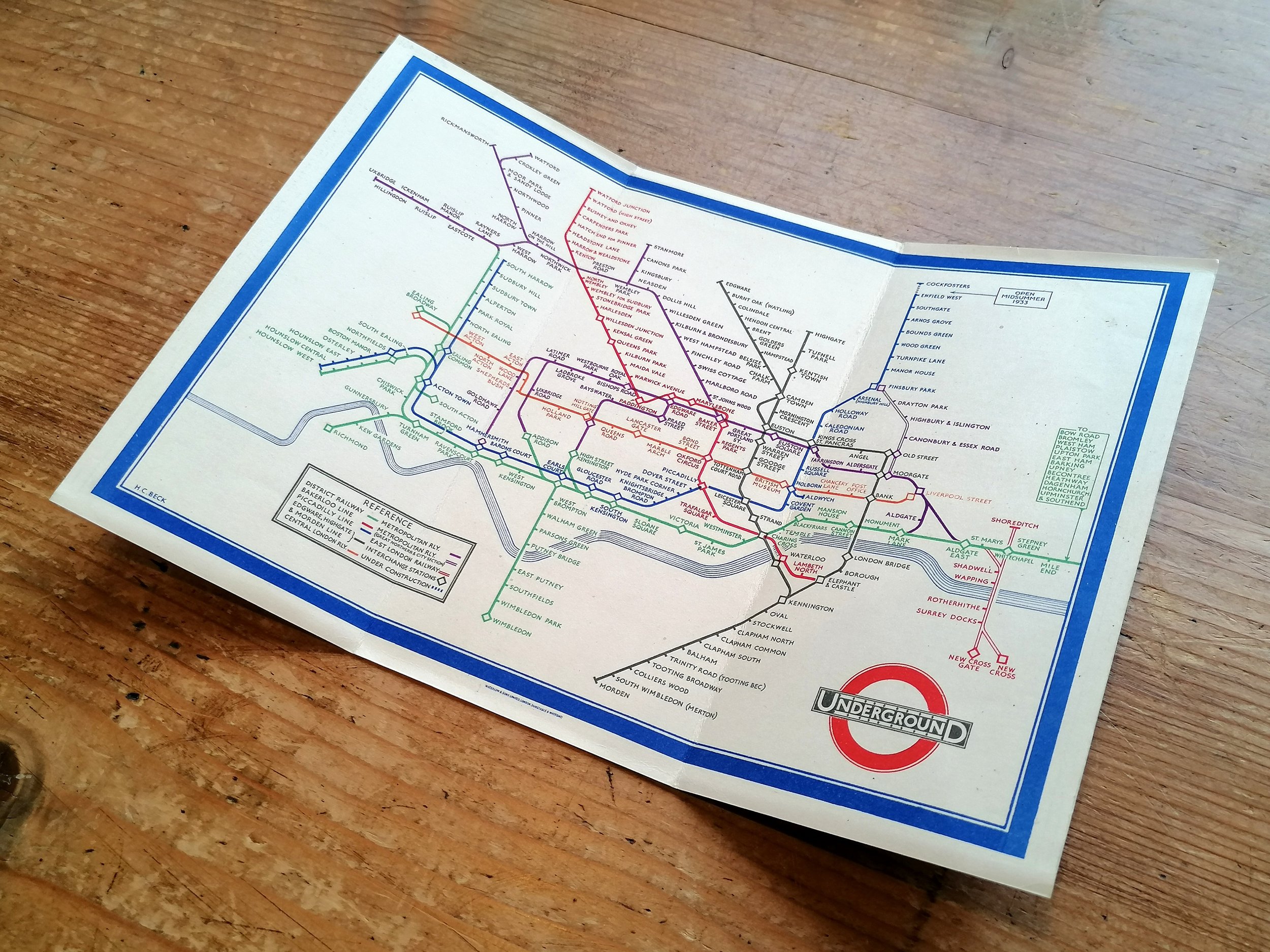 Image 6 of 14
 Image 7 of 14
 Image 8 of 14
 Image 9 of 14
 Image 10 of 14
 Image 11 of 14
 Image 12 of 14
 Image 13 of 14
 Image 14 of 14